Practical posts from building apps, working with .NET and Azure, trying AI-assisted workflows, and turning experiments into reusable engineering lessons.
latest post
Start here.
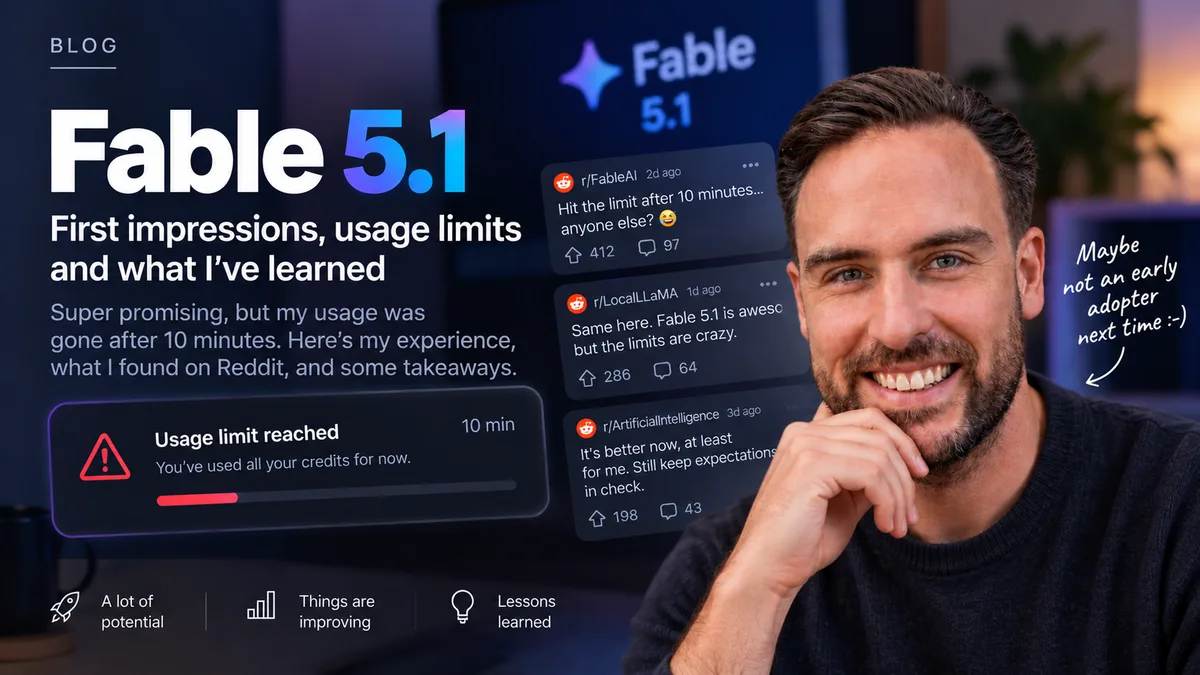
Fable 5.1: Promising, but Maybe I Should Stop Being an Early Adopter
My first ten minutes with Fable 5.1 ended at the usage limit. What I ran into, what has improved since, and why waiting a few days after a launch is often the better move.
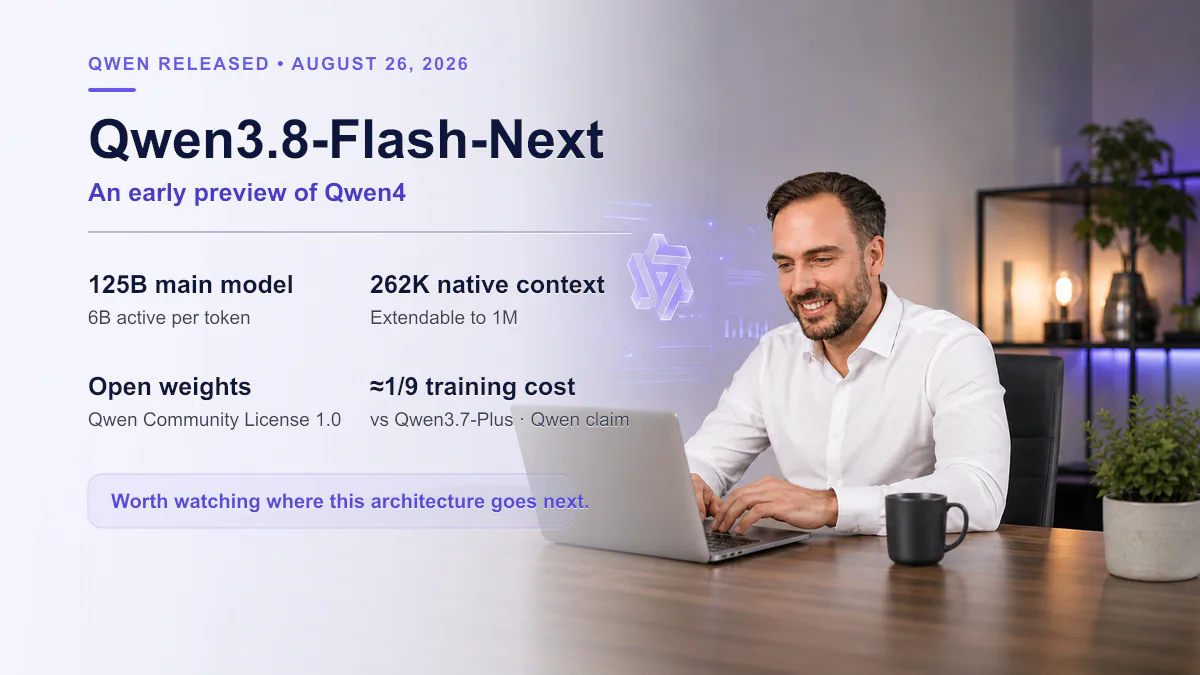
Qwen3.8-Flash-Next combines 6B active parameters, million-token extended context, and open weights in an early preview of the architecture behind Qwen4.
A 'finished' .NET AI library turned out to be quietly broken. Rebuilding it taught me more about the gap between code that compiles and code that works than shipping it the first time did.
How GitHub Copilot agent mode, Agent Skills, and MCP are changing AI-assisted development from autocomplete into real task execution—and how your team can adopt it.
International Draughts is now live as a richer cross-platform product with FMJD gameplay, AI, learning flows, online play surfaces, and launch-ready support pages.
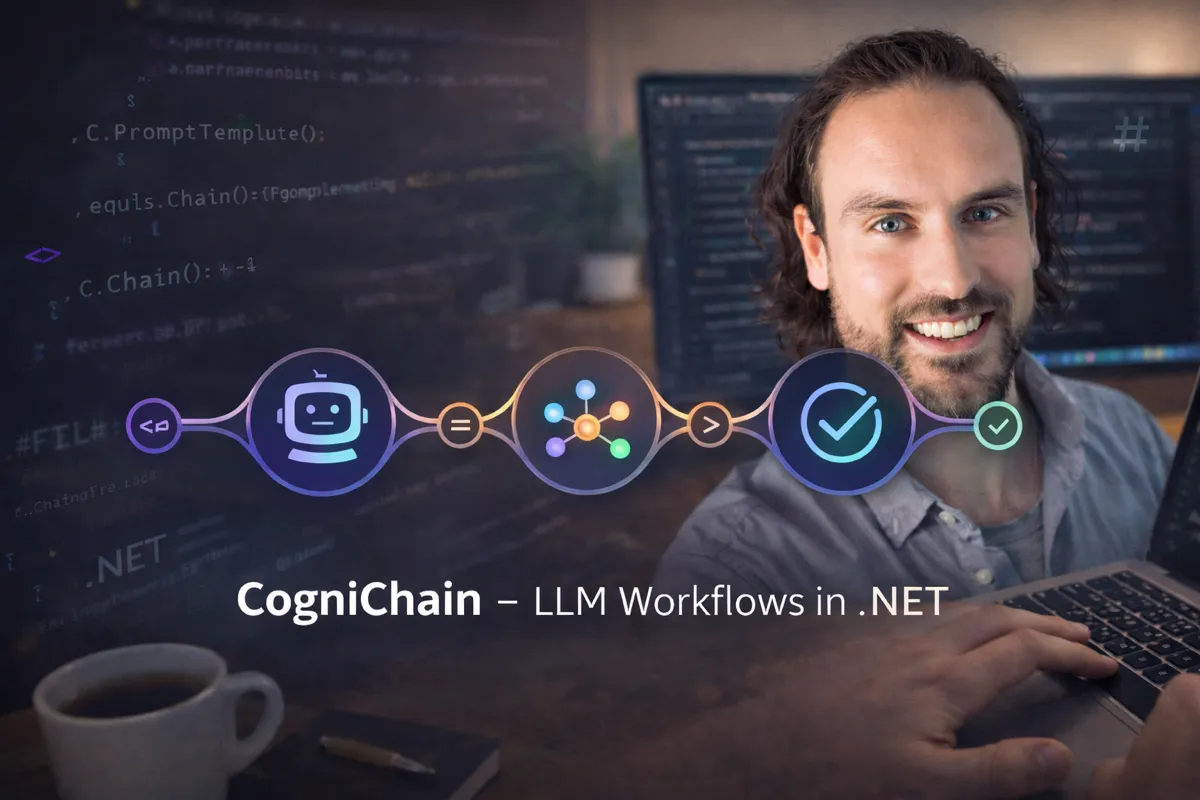
Announcing CogniChain—an open-source .NET 10 library for building LLM-powered applications with prompt management, conversation memory, workflow orchestration, and resilience patterns.
AI changes more than tools—it changes how we work. A reflection on helping teams adopt Copilot through spec-driven development and human-centered change.
A practical look at why I'm increasingly reaching for VS Code over Visual Studio Enterprise—and how GitHub Copilot is driving this shift in my daily workflow.
Personal reflection on enabling Microsoft analyzers and SonarQube during .NET build time to catch code smells early, lower technical debt, and ship with more confidence.
A deep dive into our journey of modernizing EUCARIS, the European platform for cross-border vehicle data exchange. Learn about the challenges and solutions in migrating from legacy .NET Framework to .NET 8, implementing Blazor, and establishing comprehensive testing practices.
Implementing TDD effectively requires the right tools and mindset. I share my experience with xUnit, Moq, AutoFixture, Shouldly, Reqnroll, and Playwright for building reliable, maintainable software with confidence.
Creating engaging educational games like Worldio, Football Math Game, and Math Gymnastics for my children taught me valuable lessons about user experience, motivation, and making learning fun. Here's what I learned from building games that kids actually want to play.
#JavaScript
#Web Development
#Education
#UX
~/blog/connect
updates
Follow along.
New posts land here first. Subscribe with any RSS reader, or follow me on LinkedIn for project updates alongside the writing.